


How to Switch Your Dog to Human-Grade Fresh Food (Safely)
Author: PawPots Team
 06 Mar 2024
 3 min
Deciding to move your dog to fresh, human-grade food is a great choice — but how you switch matters as much as what you switch to. A sudden change can upset your dog's stomach, so the key is a gradual transition. Here's a simple day-by-day schedule and what to expect along the way.
Key takeaways
Transition gradually over 7–10 days to avoid tummy upset.
Mix increasing amounts of new food with decreasing old food.
Some stool and appetite changes during the switch are normal.
Go slower for sensitive dogs; check with your vet if unsure.
Why a Gradual Switch?
The dog's digestive system and bacteria prepare themselves for the animal's food. Changing the food all at once may cause diarrhea, bloating, or the dog refusing to eat. Introducing the new food gradually lets the gut adjust smoothly — the difference between a happy switch and an upset tummy.
The 7–10 Day Transition Schedule
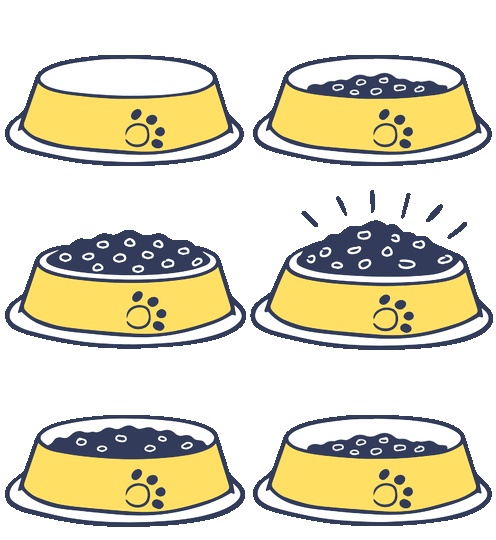
Mix the new food into the old, shifting the ratio a little each day:
Days
Days 1–2
Days 3–4
Days 5–6
Days 7+
New : Old food ratio
25% new / 75% old
50% new / 50% old
75% new / 25% old
100% new food
For puppies, seniors, or dogs with sensitive stomachs, stretch this over 10–14 days and move to the next step only once stools are settled.
What's Normal During the Switch
Smaller, firmer stools: fresh food is highly digestible, so there's less waste — a good sign.
Slight stool changes: minor softening as the gut adjusts is common and usually settles within days.
More enthusiasm at mealtimes: many dogs are visibly keener on fresh food.
Ease back a step if you see persistent loose stools, and contact your vet if upset is severe or lasts beyond a few days. Book a vet through PawPots Vet Connect.
Why Human-Grade, in Brief
Human-grade freshly prepared food is made from ingredients for people, such as quality proteins and vegetables, devoid of low-grade fillers and additives, thereby improving digestion, coat appearance, and stability of energy levels. The switch is worth doing well.
Making the Switch Easy
At PawPots, meals are freshly cooked with human-grade ingredients in our Lebanon kitchen and personalised to your dog, and our trial pack is designed as a guided transition — with probiotics to help your dog's tummy adjust smoothly to fresh food.
↪ Start a guided fresh-food trial.
Frequently Asked Questions
How do I transition my dog to new food?
Switch gradually over 7–10 days, mixing increasing amounts of the new food with decreasing old food — roughly 25% new for two days, then 50%, then 75%, then 100%. Go slower for sensitive dogs to avoid tummy upset.
Is it normal for my dog's poop to change when switching food?
Yes. Look for stool to be smaller and firmer when starting fresh food (as fresh food is easily digestible), and it may be a bit softer until the digestive system adapts. If your dog continues to have loose stools, it is necessary to slow down the transition and consult a vet if loose stools continue for a long period of time.
How long does it take to switch a dog to fresh food?
Usually 7–10 days for most dogs, or 10–14 days for puppies, seniors, or those with sensitive stomachs. Move to each next step only once your dog's stools are settled.
What is human-grade dog food?
Food made with ingredients fit for human consumption — real proteins and vegetables, without the low-quality fillers or additives common in processed feed-grade food. It supports better digestion, coat, and energy.

Give Back The Love
Show your love to your pets with our high-quality, delicious and healthy meals!
Show your love to your pets with our high-
quality, delicious and
healthy meals!